The Science of High Heels: Balance, Posture and Fatigue
High heels are often associated with discomfort, but pain is not caused by height alone. The main factor is balance stability and how the body compensates for instability.
A shoe becomes tiring when the body must constantly correct its center of gravity. This page explains the biomechanics of high heels: posture, pressure distribution, and muscular fatigue.
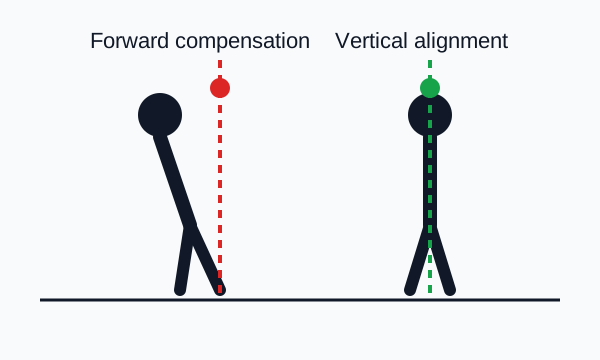
1. The Center of Gravity Problem
When wearing flat shoes, body weight is distributed between the heel and forefoot. In high heels, weight shifts forward. This is normal and not harmful by itself.
Discomfort appears when the body cannot stabilize this new position. Muscle fatigue comes from instability, not elevation.
2. Why Thin Heels Cause Fatigue
A very narrow heel creates lateral instability. The foot is elevated on a small support surface, forcing constant ankle rebalancing.
- Ankle tension
- Calf overuse
- Faster exhaustion while walking
3. Surface Area and Pressure Distribution
Comfort depends on support surface. Height increases pressure. Instability multiplies effort.
Two shoes with identical height can produce completely different fatigue levels.
4. Posture Compensation
To stay balanced in unstable heels, the body compensates: knees bend slightly, hips tense, back muscles engage, and stride shortens.
This discomfort is a chain reaction of stabilization, not a direct effect of elevation.
5. Stability Reduces Fatigue
When the support base is stable, the body stops correcting, muscles relax, and walking becomes more natural.
The goal of a well-designed heel is not to reduce height, but to reduce corrective effort.
6. Structured Heels
A structured heel increases contact stability with the ground and aligns weight vertically.
Instead of balancing on the shoe, the wearer stands on it. This reduces micro-corrections and delays fatigue.
Conclusion
High heels do not hurt because they are high. They hurt because the body must constantly prevent imbalance. Comfort comes from stability, not from lowering the heel.
Kendrick designs footwear based on controlled balance and vertical support.
Continue: Heel Guide